Showing posts with label Food. Show all posts

10 Benefits of Growing your own Food

You hear it all the time nowadays about how human-impact is affecting the planet and how we need to cut-down on fuel and other resources. Some people do take this to heart and start trying to help where they can: switching off lights when unnecessary, walking or cycling to work, using public transport more often, etc. These people, whilst their efforts are good and they are doing a great job in helping to lower our impact on the environment, remain a minority and the majority of us don't change at all. 

One thing that can be done to help reduce our affect on the environment would be to simply grow our own food which comes with many benefits for doing so. Obviously when I say simply grow your own food I mean the concept is simple, the actual work that is needed to produce your own fruit and vegetables can be quite hard work but that's something that usually comes with something beneficial.

1. Health

A great benefit that will come with growing your own fruit and veg will be in the form of the health benefits. What you are going to be growing is going to be healthy (I hope anyway) and so you will be getting these nutritional foods into your system which your body needs. 

I won't talk to much into the healthiness of fruits and vegetables but instead refer you to two different posts you may be interested in: Benefits of Individual Vegetables (Part 1), and Benefits of Individual Fruits (Part 1).
Also a third post you may like: The Benefits of a Healthy Diet.  

2. Keeps you Productive

When at home their is often a temptation to not do much and relax, and why not? I mean that's what homes are for - relaxing and getting some time to ourselves. However, being productive is a great way to pass time and can in itself be not only relaxing and enjoyable but also rewarding.
In fact it's good to keep ourselves productive and busy as we're designed to work, it's in our nature. Often people who have worked their whole life and then later on go into retirement find it boring as they have nothing to do (this isn't the case for everyone but it's something that a lot of people do feel, and maybe that's why a lot of the older generation like to spend their time gardening as it does keep them busy). You can set yourself personal goals too which is always good to do.

Here's a related post to this point: 21 Ways to Boost Productivity.

3. Saves Money

Another great benefit you will gain with growing your on food, which I'm sure that a lot of us will welcome, is the money-saving part. If you're going to grow your own fruit and veg then you will not have to pay for them at the shops and packets of seeds don't cost much at all. Of course when you first start out you will have to as you will need to wait for your plants to grow, and will have to go through a trial-and-error approach to how much of a certain thing you should grow etc, but after these things you will certainly start to notice a reduction in financial payouts towards food. Some people become almost self-sufficient once they have a system up and running. 

You can also preserve food for use during other seasons and grow different variates of fruit and vegetables during the different seasons of the year.  

4. Better Taste

This is often said about home-grown fruit and veg. The food will be straight from your garden (or allotment or somewhere) and will be what is really fresh. Fresh fruit and veg from the shops are fresh but won't be nearly as fresh as your home-grown stuff, they could have been sat there for a day or two and would have taken some time in getting delivered to the store too, all-in-all not being as fresh as yours.  

The satisfaction that comes with growing your own food could also enhance the taste in your mind but the freshness will definitely make the taste better.

5. Exercise

Whilst it may not be on the same level as cross-country and other exercise of that nature, gardening can be quite the strenuous activity in itself. Of course the more you have to do the more hard work it will be but when you have to lift and dig and walk here and there, can after some time become quite the form of activity. 

6. Satisfaction

As briefly mentioned in point # 4 growing your own fruit and veg will bring you a sense of satisfaction. It's great when you put in hard work and see the fruits of your labour (excuse the pun), not only does it inspire you to continue your work but it also is a very rewarding and satisfactory experience. From nursing them from small saplings to full-grown plants - this joy is a great feeling and will help with confidence of your own abilities. 

7. Reduces food waste

People throw away hundreds of pounds-worth of food every year. The reason why growing your own fruit and veg will reduce the amount of food you throw-away will be because after weeks of loving-care that you have put into growing these plants you will be less inclined to throw them rather than ones bought from the supermarket in 10 minutes. You'll want to get full-use of all your plants and so wasting them will not be on your agenda.
You will still have food waste but less of it.

8. Composting

Any food that is of waste or is bad that you have grown can be put immediately into a compost bin. This will save you money on compost (if you're a keen gardener) which you can use in the future for helping future fruit and vegetables grow, a great way to recycle. This is another benefit which can come from the growing your own food and which can help with reducing your impact on the environment.

9. Pesticide-free food

Contamination of food from pesticides and other chemicals that many farms spray onto their food because of the mass-production of crops that they don't want to be touched by insects and various other things, will not be upon your home-grown food and is something that you will not need to worry about. You will know that your food is clean and safe to eat.

10. Family activity

Growing your own food can become a daily commitment and if you are looking for a family activity for you all to participate in - this could be it. It will be a great chance to talk to one another and the fresh air is great for your mood and health.

How to Lose Weight

Obesity rates are on the rise. People want to know how to lose weight, and some are trying to, however, society is not letting them. This is as society is putting more and more obstacles in the way of losing weight. It now seems that it is wrong for our bodies to ever feel hunger, but really this is totally normal and our bodies are equipped to handle this.

There are so many advertisements around telling you about these unhealthy foods and how you need to try them and mentioning how cheap they are. And in comparison, unhealthy foods are relatively cheap, whilst the healthier options (for instance: fruits and veg) are a bit more on the pricey side. That's not to say that it's only because of society that a person is overweight, that's not true, there can be many factors that contribute towards a persons weight. These tips are known to work it's just making sure that you stick to them.

1. Exercise

Exercise is essential for wanting to lose weight. Exercise is great for helping shed those calories and helps to speed up metabolism, which is what burns the majority of calories. Adults are recommended to do at least 30 minutes of moderately intense exercise 5-7 days a week, whilst overweight and obese people should aim for 60 minutes and upwards.  
There are so many different forms exercise can take, so there should be one for you somewhere. That could be in the form of swimming, cycling, running, etc.

You may be thinking "I don't have 20 minutes to spare, let alone 30 minutes or more". Well this is common for many people, but the good thing is you can break it up into smaller chunks as long as you manage to hit your guideline for the day. For example, you may decide to do a 10 minute walk to work and a 10 minute walk back from work. That then only leaves the remainder of your time to spend doing something else. 

Try adapting to a more physically engaging lifestyle; try walking instead of taking the car or bus, or take up cycling, take stairs instead of lifts, take regular short-session intervals for something as small as 5 minutes of activity. Maybe even join a club. Over time it really does do your body good. 

2. Drink water

What you drink also plays a vital part in weight reduction as well, so sugary drinks are best to be avoided. If you like to enjoy an alcoholic beverage then try to limit the amount you have or stop completely. Water is the best liquid to go with and helps with metabolism. In fact one way to see a reduction in calorie consumption is simply to switch to water as being your 'main drink'.  
You can read more about drinking water here: 10 Reasons for Drinking Water.

3. Eat healthier

Eating healthier is something that, if you're serious about weight loss, will need to be implemented into your life. The truth is that your body needs vitamins and minerals to help sustain it and keep it functioning properly, not to mention helping with metabolism. 

Sugary foods and fatty foods are the big contributors to weight gain so cutting these out of your diet, or at least limiting their intake will definitely be beneficial.
If possible, try and get your recommended 5-fruits-and-veg a day. They are very low in calories and are great for snacks. 

4. Watch your calorie intake

You're body naturally burns calories, the majority is done through sleeping, but it is affected about what you do during the day. If you're consuming more calories per day than your body is burning then you are inevitably going to gain weight and not lose it. A lot of people who are doing this will not even realise the amount of calories they're taking in. When I started to have a look on the nutritional labels on the sides of food packaging, I was shocked about how easy it is to consume more than your daily calorie intake-guideline. Healthier foods seem to be lower in calories and so are the ones to go for, and they provide a steady energy use throughout the day.
Men's guideline intake of calories is 2,500. Women's calorie intake is 2,000 per day. 

5. Don't suddenly change your lifestyle

Your body will not adapt well to all of these sudden changes if you drastically change what you're doing. When wanting to train-up for a marathon without having any running experience, you don't just start by trying to do 26 miles. You slowly build up to that, maybe only starting with half a mile until your body has adapted to the change you are making.
So with trying to lose weight, for a lot of people anyway, a gradual change should be made so as to adapt better to the changes. This will keep you more inclined to keep these new good habits.

It's definitely possible to make a lot of big sudden changes and stick with them, however, only more disciplined people can do it this way. It is the quickest way though, but the way that isn't normally stuck to with most people.

If you do decide to start by making a gradual change to your lifestyle, don't let your self make excuses and allow lots of bad habits to continue because your making a gradual change. The emphasis shouldn't be on the gradual (because that could cause you to be very gradual about the process) but on the change, which is after all what you're after. Also a gradual change doesn't mean that you can't set challenging goals, just not as big as a full-blown lifestyle turn-around.  

6. Eat breakfast

Despite the rumour floating around that avoiding breakfast is good for you - it's not. Breakfast is essential for kick-starting your day and providing you with the energy your body needs. Whilst you sleep your metabolism will slow down and by having breakfast in the morning will help to get it going for another day. If you do miss breakfast you can lose fat, however, your body can also start to break down muscle as a a source of energy and that's not good. Having more muscle will mean there is less space for fat (if you don't eat excessively and do exercise) and actually helps with the promotion of a healthy metabolism, making burning fat easier.

7. Stop snacking

This is where a lot of people trip up and I can see why. Snacking is an incredibly easy thing to do, especially when you're bored or have had a stressful time - acting as comfort food. When people change their diet, often they seem to forget about snacking and it seems that one or two biscuits here and there won't hurt - but they do. Unhealthy snacks (such as biscuits, chocolate, sweets, and the like) are all high in calories and sugar, and will prevent you from losing as much weight as you could, if at all. 
I've written a post about snacking named: How to Stop Snacking. 

8. Keep a food diary

This is just to let you know what your calorie consumption is for each day. What you will need to do is to record the day's date and then record everything that you eat as your day goes along - and I mean EVERYTHING. Do not let anything get missed. If you want a truly accurate total of the calories that you consume then it is vital that you do not miss anything. Make sure to record saturated fat contents and sugar contents for each thing that you eat as-well, as these all contribute towards putting on weight. Your recommended daily sugar intake should be no more than 120g (for men) and 90g (for women). Saturated fat intake should be no more than 30g (for men) and 20g (for women).

Conclusion

Weight loss is not something that will happen overnight but is something that you will have to adapt to for the long term. If you are wanting to see serious results then you will need to adopt all of these tips and then have the self-discipline and motivation to stick to them. If you can afford to, getting a personal trainer who knows what they're doing will help you to keep to your goal. Good luck.

Benefits of Honey

Honey is full of sugar and calories, but doesn't that mean it's just another tasty unhealthy food to eat?, absolutely not. Surprisingly honey is more than just a tasty treat which is good for me to know as I like the stuff. If you was to eat it in huge quantities I'm sure that it would have some negative drawbacks. This post is based on having quantities of a spoonful or two a day.


1. Medicinal Properties


Scientific research is revealing that honey is remarkable for its healing properties and is much better for people than is generally thought of. Honey has often been used for centuries for its medicinal benefits, but has sort of become a thing previous generations did as they didn't have the medical advances that we have now, or was because of something that's been in the family. Well, actually, it does have its uses. 

Some of honey's medicinal properties include: healing properties (e.g cuts, eye conjunctivitis, and much more), natural antiseptic, is an antioxidant, helps fight infection, helps with tissue healing, helps with inflammation and scarring - though only to a certain point, helps with diarrhoea and indigestion. 
Studies have shown that as an antibacterial and healing agent it is better than over-the-counter remedies for coughs, colds and sore throats.


2. Weight Loss


This may at first sound strange as honey contains lots of sugar, something that normally puts on the pounds - not help to lose them. Bear with me a moment. Basically when you have sugar, your body will use nutrients to be metabolised and so the more sugar and fatty foods you have, the more nutrients your body will have to draw upon, and there is a limit. Once that limit has been reached, metabolising fat and cholesterol will be put on hold. 

What's different about honey is that it contains the amino acids to help metabolise itself and a number of minerals that are great for metabolism in general. 


Of course I wouldn't advise going on a honey-only diet and only eating jars of the stuff. It would be best to incorporate it into a healthy diet to see the best results.


3. Energy


The natural source of carbohydrates makes honey brilliant at providing energy for our bodies, which we need. In fact, honey is used by a number of athletes for the purpose of helping performance and endurance in events, helping them to reduce the effects of muscle fatigue.


4. Helps with Hayfever


Summer is one of the nicest times of the year (in my opinion anyway), but is dreaded by many hayfever sufferers because of the higher pollen count it usually brings. I myself am a hayfever sufferer, and my eyes are actually running right now as I write this. It's only just come back on recently - actions will need to be taken. :)


A lot of people say that a spoonful a day (providing it's in plenty of time before pollen season) can work wonders for helping with hayfever. It doesn't work for everybody, but it seems that local unfertilised honey is the best. This is as this is the pollen you are in closest proximity to, and so when the bees do their work with the plants and flowers that are near you, and you consume that honey, slowly over time it will help your body to build up an immunity towards it. Like I said though, it doesn't work for everybody.

Top 10 Most Popular Fruits

I love fruit. They're tasty, refreshing, high in vitamins and minerals, low in calories, and can be eaten on their own or  part of a meal.
Every fruit that appears on this list I enjoy, along with millions of other people who live around the world.

1. Apple
The apple is one of my favourite fruits and is a popular food to include in desserts. Unfortunately, I can't currently eat apples at the moment as I'm half-way through having braces on. So at the moment I'm just bracing myself for when I can take a bite out of a fresh apple again (pun intended). :)

Contains vitamin C which helps boost your immune system (although compared to other fruit and veg, vitamin c levels a relatively low), and ripe apples contain nearly 80% water, with no fat whatsoever.

They contain flavonoids which can prevent coronary heart disease, cardiovascular disease, dementia, and colon; prostrate and lung cancer.

Are a source of fibre and aid weight loss and an average apple will contain 70-100 calories.  

2. Orange
The orange is the most commonly grown fruit tree in the world and grows on an evergreen flowering tree, generally growing 9–12 metres in height. Brazil is the largest producer of oranges followed secondly by the United States.

Contains vitamin B and C, also contains calcium, iron, magnesium, phosphorus, potassium, and zinc.
Helps to prevent kidney stones, diabetes, and high cholesterol.
Oranges are beneficial for sufferers of asthma, bronchitis, tuberculosis, pneumonia, rheumatism, arthritis, and high blood pressure.

People who are addicted to alcohol, have found that drinking orange juice helps with reducing the desire for liquor. Also, consumption of large amounts of the fruit, decreases the outpouring of mucus secretions from the nose.

3. Banana
The banana is one of the oldest cultivated plants and are native to tropical South and South-east Asia. They are grown worldwide in over 105 countries, primarily for the fruit itself, as opposed to banana products, e.g; wine and fibre.

Contains vitamins A,B and C, as-well as choline, calcium, iron, magnesium, manganese, phosphorus, potassium, and zinc. 
Helps to keep your heart and nervous system in good shape because of high potassium levels. It can help prevent kidney stones, large calcium loss, coronary heart disease, diabetes, stomach ulcers, colitis, Diarrhoea and constipation. 
Banana skins are said to be helpful against warts. (Doesn't sound that appealing to me though...eating the skin that is.)

4.  Strawberries
Strawberries are consumed in large quantities, either fresh or in prepared foods such as, fruit juice, pies, and ice creams. Strawberry aroma is a popular smell and is used in the food industry for various products.
I had some strawberries last night, and though I wasn't particularly fond of them when I was younger, I do find them enjoyable now and have become one of my favourite fruits.

Contains vitamins A, B, C and E, also contains calcium, iron, magnesium, phosphorus, potassium, zinc, copper, manganese, and sodium.
The strawberry, when cut in half and rubbed on the teeth and gums, removes tartar from the teeth and strengthens and heals the gums. If possible, allow the juice to remain in the mouth for as long as possible to maximise the breakdown of tarter. 

Strawberries can be of help in cases of syphilis, and can help cleanse the blood of harmful toxins.
They are highly rated as skin cleansing food, even though the skin eruptions may appear at first in some cases.
They can help to prevent inflammatory disorders, cancer, macular degeneration, and cardiovascular diseases.
Strawberries also promote the correct production and maintenance of bone structure, as-well as a healthy immune system.

5. Pineapple
Pineapples is a delicious fruit, and is relatively slow to grow, taking 20-24 months to possibly flower and fruiting in the following six months. Pineapple may be eaten fresh, canned, juiced, desserts, fruit salad, jam, yogurt, ice cream, candy, and as a complement to meat dishes.
Contains vitamins B and C, also contains calcium, iron, magnesium, manganese, phosphorus, potassium, and zinc. 

Pineapples help to prevent the risk of dyspepsia, bronchitis, high blood pressure, arthritis, constipation, and sickness (including morning and motion sickness.)

Pineapple juice can rid the body of intestinal worms, diphtheria, infections, and is helpful in cases of goiter.

6. Watermelon
The watermelon is a fruit originally from South Africa and is commonly used to make a variety of salads, most notably fruit salad. It's also nice to eat on its own.
Contains vitamins A, B, C, E and K, also contains calcium, iron, magnesium, phosphorus, potassium, sodium, zinc, copper, manganese, and selenium.
Helps to prevent cancer (especially prostrate cancer), high cholesterol, heart diseases, and diabetes.
They are great to include in weight loss diets, with a high water content - you feel fuller afterwards. The high levels of vitamin B means that melons are brilliant sources of energy.


7. Grapefruit
The grapefruit is known for its bitter taste, but despite this, the grapefruit is still an incredibly popular fruit. The grapefruit trees on average, grow to around 16–20 ft tall, although they can reach 43–49 ft.
Contains vitamins B and C, also contains calcium, magnesium, iron, phosphorus, potassium, zinc, manganese, and 90.48g water (per 100g).

Can help to prevent arthritis, tumours, and certain cancers.
Some more benefits of grapefruit's are: flush out excess water, great for weight loss, increase metabolism, it's a liver tonic, helps with gallstones, helps with colds; pneumonia and fever, it's a powerful drug-poison remover, helps digestion, improves complexion, and is a natural anti-septic for wounds.

8. Lemon
Lemon is a popular fruit that is grown on a small tree that is native to Asia, but like all of the other fruits on this list, is grown around the world. Lemon juice contains about 5-6% citric acid, and it is this that gives lemons their sour taste.

Contains vitamins A, B, C and P, also contains calcium, iron, magnesium, potassium, phosphorus, and zinc.
It can help to prevent malaria, cholera, diphtheria, typhoid, influenza, the common cold, scurvy, internal hemorrhage, constipation, and vomiting.
The lemon promotes good vision, digestion, the strengthening of blood vessels, and heart health.
It also provides relief for fevers, abdominal disorders, and liver and bladder disorders. 
Lemons help strengthen the teeth and bones, although lemon juice should be diluted slightly with water, so as to avoid the injury of tooth enamel because of the lemons acidity. 

It dislodges phlegm and checks the over-excess of the flow of bile and cleanses the mouth. Intestinal worms are also destroyed because of the intake of lemons. 
Lemons are very acidic to taste, but surprisingly leave behind alkaline residues in the body. This is why it is beneficial in all cases of acidosis.

9. Mango
The mango is native to the subcontinent of India, and is now grown worldwide. The taste of a mango can be described as a combination of a nectarine, a pineapple and an orange. I personally prefer mango to all three of those fruits, though they are tasty as well.

Contains vitamins A, B and C, also contains calcium and phosphorus.
Helps to prevent cancer, heart disease and other ailments.
Mangoes are beneficial for people who suffer with anaemia, kidney problems and nephritis, fever, constipation, and respiratory conditions.

They contain powerful anticancer and antioxidant properties.
Mangoes are effective at relieving clogged pores of the skin, and can combat acidity and digestive problems.

10. Cherries
The cherry is a fleshy stone fruit, and the only thing that is bad about this fruit, in my opinion, is the stone. I know that it's necessary for the fruit to have it, but it would be so much more convenient to eat without having to pick or spit them out. :)

The native range of the wild cherry extends through most of Europe, western Asia and parts of northern Africa.
Contains vitamin C as well as iron, potassium and magnesium. 
Tart cherries (dried, frozen or in juice) have one of the highest disease-fighting antioxidants compared with other fruits. Can help ease the pain of arthritis, and can help prevent heart disease, certain cancers and diabetes.
Also help in the reduction of body weight.

I don't claim ownership or credit for the pictures present, all credit is reserved for the original owners. No copyright intended, if you have an issue with a picture that is present, then please contact me 

No Snacking Challenge Day 30

Thirty days ago I decided to set myself a 'no snacking challenge'. The challenge was to last 30 days, so today is my final day, and I wanted to share a few things with you all.

I haven't posted about my efforts of not snacking since day 14, and to be honest, there's not that much to say. The first week was when I was adjusting to not being able to snack. I was surprised how difficult it was to not be able to go and grab a biscuit or something when I was feeling hungry. Even when I wasn't hungry, I discovered that snacking was just something of convenience - there is food nearby, I'll have some.

The second week was a tougher week, and my craving for snacking got worse. It seemed that the resistance I was putting up against snacking just made the craving worse, but I persevered and got through it.

Now onto the last two weeks, weeks 3 and 4. I was expecting week 3 to be harder than week 2 and then for week 4 to get gradually easier. Instead, week 3 wasn't that hard at all, and I never really had snacking on my mind. Week 4 has been the same, only at a couple of points did it get difficult, but for the week as a whole it was relatively easy.

Something that I did notice in the last two weeks was my tendency to snack has become a lot easier to keep control of. I was pleasantly surprised to find this out. 
I can remember at the end of third week, I wasn't even paying attention to the challenge, as the habit to not snack seemed to have already taken form, and in truth I think I had actually forgot about the challenge, as it didn't seem as much of a challenge - it had become more of the norm.

In fact, I was actually writing a different post for today, when I remembered that it was the end of my no snacking challenge. So I had to put the post I was writing for today aside, that will now be tomorrows, and had to write the final chapter of this no snacking series.

It has definitely changed the way I eat. I don't really have the urge to snack as much, of course there are times when I do get the urge, but this challenge has actually made me take sort of a disliking to snacking. I know it sounds weird, as snacking on tasty things is great, and thirty days ago I wouldn't have thought I would end up with a view like this towards snacking. I think it's because I know what snacking can do and what the downsides to it are, coupled with my new habit of not snacking anyway, what has caused this mindset.

I'm sure there will be points when I do snack, but I can't really see myself going back to snacking as often, it's not really my nature. Once I get something programmed into me, I find it hard not to keep it up.
If anyone reading this is wanting to limit their snack intake, then I would strongly urge you to give this challenge a try. I can't guarantee it will work for you, but if you're strict with yourself and keep it up for the thirty days, I'm pretty confident you'll get into the habit of avoiding snacks. Once the habit's obtained, things become a lot easier. 

The Benefits of a Healthy Diet

Healthy eating is drilled into us from lots of angles. Through advertisements, television programs, the Internet, etc. It's not just about them making money, because having a healthy diet does actually have many benefits that will have an impact on your lifestyle.

Having your '5-a-day' isn't as hard as one would imagine. One apple, one banana, and three or more vegetables in your dinner, makes this a manageable task to take-on. 
Drinking lots of water is another great thing. You can read a quick post of mine here, if you want: 10 Reasons for drinking water.
I'm now going to go straight into the list of benefits that you can experience from having a healthy diet.


1. Prevention of illnesses and diseases.

A healthy diet will contain lots of nutrients and vitamins that your body needs in order to properly function. It's a really simple and easy thing to do to allow your body to get what it needs.
A few diseases you can help prevent are; types of cancers, types of diabetes, strokes, and Alzheimer's. There are many more you can prevent, they were just some for examples. If you would like to know which fruit and which vegetable does what, then I'll redirect you to two earlier posts of mine: The benefits of individual fruits, and the benefits of individual vegetables.

2. Alertness

Having a healthy diet will give you the energy your body needs to go about it's daily business. It will allow your mind to stay fresh and alert. 
Healthy proteins (such as lean meats), whole grains, water, legumes, fruits and vegetables, are the best sources of nutrition, carbohydrates, proteins, and everything else that your body needs.

3. Promotes weight loss

Healthy foods are the best things for getting the 'good-things' into our bodies. So by eating these, you're leaving less room for unhealthy foods to make themselves at home in your stomach. 
Fruit and vegetables contain minimal calories, and so are the perfect for substitute of an unhealthy snack. Processed foods, sugary snacks, and fatty foods, are all big contributors to expanding your waistline. So watch out. 

No Snacking Challenge Day 14

Two weeks have now passed since I took up the 'no snacking challenge', during this second week it's been a mixture of easiness and difficulty.

At the end of week one, I was starting to feel the difficulty of not snacking, but was able to get through it. At the beginning of this second week, that difficulty overflowed into the first couple of days, causing me to almost trip-up and give in.

It seems, now that I'm trying not to snack, that more and more opportunities keep cropping up for me to fall-down. For example; I've noticed there's been quite a lot of unhealthy, yet very tasty things in the house I could, and probably would normally, snack on. I have resisted, but it's just a factor on my mind.

Another example is when people offer me things to eat. 
My mum and sister were eating some minstrels in the living room. As I walked through, I was offered some. I turned them down, feeling annoyed that I couldn't allow myself just one. My mum then started to insist that I ate one, I again declined. Then she started to try and force some into my hand, at which point I had to leave the room. 
It seems quite comical to think about, and I'm sure it would have been to look at, but if I hadn't of escaped, then I think I would have given in.

I've been offered things at work as-well. A guy there offered me some pieces of Galaxy chocolate. Now normally I would have taken the pieces, thanked him for them and thought nothing else of it. With snacking being out of the question at the moment though, I had to politely refuse. He then tried to ram them into my face, as a joke, and it came so close to me having a piece, but somehow once again I managed to stay away.

This week has been different than last week in the terms of intensity. The first week had a more consistent level of intensity, getting slightly more heated by the end of the week, but all-in-all quite consistent. 

This week however, snacking hasn't been on my mind. It's only when an opportunity does present itself, that the intensity of wanting to snack becomes pretty intolerable, much more than the first week. After it's past though, It's no longer on my mind. To be completely honest, apart from these snacking opportunities, snacking hasn't been on my mind.

Top 10 Ice Cream Flavours

As the summer draws nearer and nearer, ice cream will become more and more popular. Nowadays there's so many flavours to choose, it's hard to know what the best one is. 
Of course, we all have our own personal favourites, but what, as a whole, are the top 10 ice cream flavours?

1. Vanilla
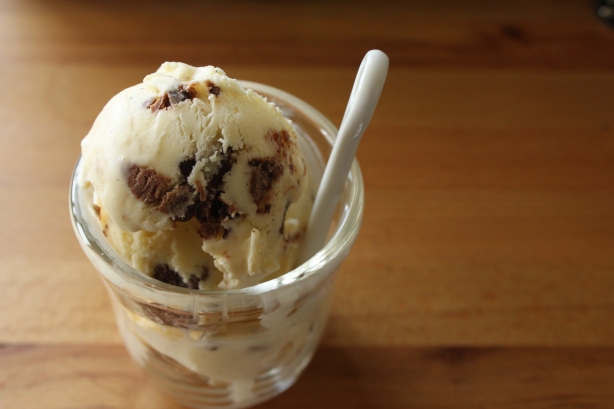
Vanilla ice cream is a very popular ice cream flavour. In fact, it is considered the worlds most popular ice cream. I don't mind it, but I think that there are nicer flavours. My mum on the other-hand loves vanilla ice cream. Each to their own I suppose. :)

2. Chocolate
Chocolate ice cream is the second most common ice cream after vanilla, and I can see why. One of my favourite flavours, chocolate ice cream has been around for over one-hundred years.
Chocolate ice cream is made using cocoa powder, eggs, cream, vanilla and sugar used to make ice cream.

3. Cookies 'N Cream
On arrival, cookies 'n cream ice cream rocketed to one of the worlds favourite ice cream flavours. Cookies 'n cream is a mixture of sweet cream ice cream and chocolate wafer cookies. 

The flavour is often described as similar to an Oreo biscuit. 
There is some debate as to who actually first invented and marketed Cookies 'n Cream ice cream.

4. Mint Chocolate Chip
Mint Chocolate Chip is an ice cream flavour composed of mint ice cream and small chocolate chips. The green colour of the ice cream is not actually natural and is done through green food colouring.

In most cases, spearmint or peppermint is used for the flavouring, and because of its popularity as an ice cream, the flavour has been used for other foods such as meringues and biscuits.

5. Strawberry
 Credit: TheCulinaryGeek

Strawberry ice cream is a popular choice of flavour and is pink in colouring. I haven't really got anything else to say about strawberry, it's not normally my first choice, but I wouldn't turn one down.

6. Cookie Dough

Cookie dough refers to a blend of cookie ingredients which has been mixed into a malleable form which has not yet been hardened. Cookie dough ice cream is a branch-off of actual cookie dough because of its popularity in taste. In fact many desserts contain cookie dough flavourings. 

7. Butter Pecan 

Butter pecan is a flavour, prominent especially in the United States, in cakes, biscuits, and ice cream. Butter pecan ice cream is smooth vanilla ice cream with a slight buttery flavour, with pecans added. 
It is manufactured by many major ice cream brands and is popular among ice cream lovers.

8. Coffee

Coffee ice cream is based on the flavour of coffee and is quite tasty, even if you're not a coffee drinker. 
As far as I'm aware, I don't think there's an ice cream flavour for tea yet.
It is a recent ice cream flavour, yet is a well-loved ice cream flavour.

9. Vanilla Fudge Ripple

Vanilla fudge ripple is a fairly new ice cream flavour. It is a hybrid of the ever-so-popular vanilla flavour, and the tasty fudge ice cream. Often, vanilla fudge ripple ice cream, will have actual bits of fudge contained within. 

10. Mint

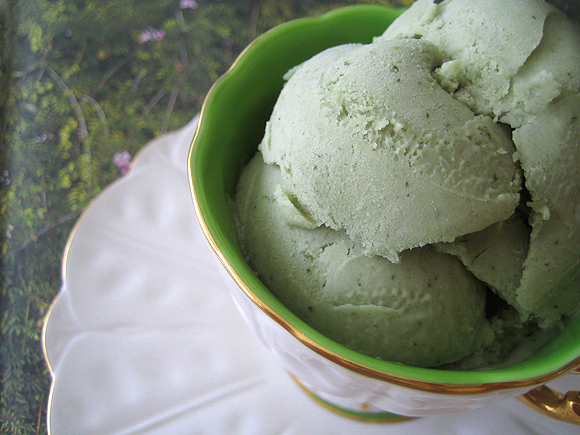
Mint ice cream, like mint chocolate chip, is not naturally green, and is achieved through colouring. It's the same as mint chocolate chip, except it doesn't contain the chocolate chips. I feel that mint, although is a loved flavour, is overshadowed by mint chocolate chip.


I don't claim ownership or credit for the pictures present, all credit is reserved for the original owners. No copyright intended and I am in no way profiting off of the images present . If you have an issue with a picture that is present, then please contact me.

How to Cook Salmon

I love fish, and salmon is no exception. Now, depending on your personal taste, will determine how you cook salmon. If you like it grilled, then you'll grill it. If you like it baked then you'll bake it. If you like it poached, then poach it etc.

Salmon is packed full of essential omega-3 fatty acids, Vitamin D and protein, and is considered by a lot of people to be the healthiest on the market. Omega-3 cannot be produced by the body, so it is important we consume it through foods that are high in it; for example salmon.

Poaching Salmon

Ingredients
  • 4 Salmon fillets, skins and bones removed
  • 4 Thyme sprigs
  • 4 Parsley Sprigs
  • 4 Cups of dry white wine
  • 4 Cups of cold water
  • 2 Large carrots
  • 2 Celery stalks
  • 2 Garlic Cloves
  • 2 Bay leaves
  • 1 Lemon
  • 1 Onion
  • 1 Teaspoon of salt
Equipment
  • Knife (preferably sharp)
  • Chopping board
  • Large saucepan
  • Medium saucepan
  • Measuring cups
  • Measuring spoons
  • Spatula
  • Fine-mesh sieve
  • Slotted spoon
Step 1

Wash the carrots and celery before chopping them, and peel and chop the onion and garlic. Wash and slice the lemon in half.

Step 2

Pour your wine and water into the large saucepan. Also place in the carrots, celery, onion, garlic, bay leaves, parsley, thyme and salt. Add a bit of juice from each of the lemon halves, before then placing both halves into the pan as-well.

Poaching liquid can be as light or as rich as you’d like to make it. So feel free to alter the ingredients, and/or the amount that you use.

Step 3

Slowly bring up to the boil. Then reduce to simmer and cover it for 30 minutes.

Step 4

Pour the liquid through the fine-meshed sieve so that it pours into the medium saucepan. Place to a fast simmer, uncovered, for about 14-16 minutes, so that the broth has reduced by half.

Step 5

Allow the broth to remain simmering, but not bubbling rapidly. Taking the spatula, place each salmon into the broth in a single layer. The broth should fully cover the salmon.
Do not allow it to come to the boil, as this will cause the fillets to become tough and dry.

Step 6

Cover the sauce pan and poach the fillets for about 8 minutes, or until they become opaque in colour.

Step 7

Remove the fillets with a large slotted spoon and serve.

Baking Salmon

Ingredients
  • Salmon
  • 3 Lemons
  • Vegetables of choice
  • Butter
  • Olive oil
  • Salt
  • Pepper
  • Parsley
  • Basil
Equipment
  • Baking Sheet
  • Foil
  • Oven
  • Medium-sized bowl
Step 1


Take out your salmon fillets and place them in some foil. Add the juice of 1 lemon over the salmon fillet(s), and lightly sprinkle on some salt and pepper.


Step 2


Tightly seal the foil and place on a baking sheet inside of your oven. Bake for 10 minutes for each inch of thickness. Garnish with slices of your second lemon.


Step 3


Prepare a marinade of light olive oil, the lemon juice of your third lemon, basil, parsley, salt and pepper, in a medium-sized bowl.
Place your fillets into the mixture, place in your fridge and allow to marinate for approximately an hour.


Step 4


Pre-heat your oven to 375 degrees. Wrap your marinated salmon fillets in foil and place on a baking sheet inside of your oven. Leave them in there until the salmon flakes with a fork, roughly around 34-40 minutes.
Serve with cooked vegetables of choice and enjoy.


Grilling Salmon


Ingredients
  • Salmon steaks
  • Olive oil
  • Salt 
  • Pepper
Equipment
  • Grill
  • Plate 
  • Spatula
Step 1


Firstly, pre-heat your grill. If you have a charcoal grill, then make sure that the coals are glowing red with the flames gone, before placing your salmon on there.
If you have a gas grill, then set the temperature from 300 to 320 degrees.


Step 2


Brush the salmon with some olive oil and add a sprinkle of salt and pepper. Keep the skin on. If you like, you can also add some mayonnaise to one side before applying to grill.


Step 3


Grill the salmon for about 4 minutes per side. Only cover the grill if you're using a gas grill, but even then, it isn't necessary. Be careful not to overcook, but don't constantly fiddle about with it.
When you remove them from the grill they will continue to cook a little while they sit, so they will/should look a little raw on the inside upon removal.


Step 4


Touch with finger. If it's squishy, then it's not done. If it's firm but still with some softness then it's done.
Serve and enjoy.

I don't claim ownership or credit for the picture present, all credit is reserved for the original owner. No copyright intended, if you have an issue with the picture that is present, then please contact me.

No Snacking Challenge Day 7

It's the end of my first week (day 7) into my no snacking challenge, and since my last update about this, on day 2, things have gotten harder.
The first two days of this challenge, although were testing in their own rights, didn't have the level of difficulty that was expected. Since then however, things have become harder.

No snacking, although sounding like an easy thing to do, does take determination if you're in the habit of snacking. A lot of us snack, so we know what it's like to stop. Sure, we may go a day or two without snacking not thinking twice about it. That's the thing though, when we're not thinking about snacking, of course it's a lot easier. With a set goal however of stopping snacking, things become different.

Having this particular goal of no snacking forces you to think about food. It forces you to make a conscious effort to avoid excessive eating, and eating between meals, and when you're constantly thinking about not snacking, it draws you closer to it.

This is why from day 3 up to present, it has become harder, because I can't eat when I want or what I want.
After saying all of this however, it may have come across that I'm resentful towards this goal. This isn't at all true, in fact I'm feeling a lot better for doing it. I think it's brilliant that I'm able to have the willpower to stop myself from snacking, true there has been occasions where it has become so close to just throwing the towel in and helping myself to whatever, but I'm glad I haven't.

Before starting this effort to stop snacking, it's surprising how many situations you're faced with to make the decision not to snack. For example: just walking past your kitchen, or in-and-out of it. Although this sounds simple, if you're a glutton for snacking, it can prove difficult to stop yourself taking another biscuit or packet of crisps or whatever is available.

A second example would be when you see someone else eating something and they offer you a bit to eat. It's easy to turn them down if they're eating something that you don't like, but if they've got something tasty and you're hungry, things can get tempting.

So far I'm still going okay. I'm not too sure when things are going to get easier, but I'm not expecting this second week to suddenly become manageable. Maybe give it until the second half of the third week, beginning of fourth week. :)
Older Post ►
 

Copyright 2011 Smart Blogging is proudly powered by blogger.com